


Share on:
Facebook
LinkedIn
X (Twitter)
Patients need to understand why oral health is important and what steps they have to take to maintain it.
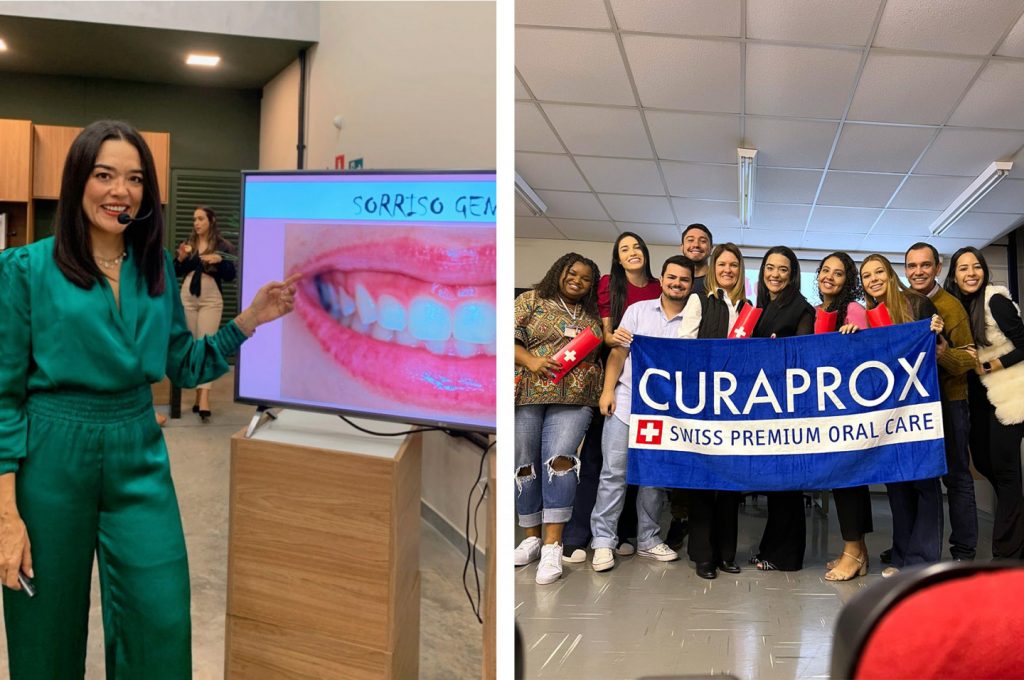
Dr Fernanda Castelo is a periodontist, professor and scientific consultant from Uberlândia, southeastern Brazil. During her rich career, she has learnt that motivated patients are those who understand what to do for their oral health and, more importantly, why they should do it. In our interview, we talked about how to make treatment personalised and what role the selection of the right tools plays in the process.
What is your dental philosophy and core values of your daily practice?
I have been a periodontist for 18 years and I have learnt that welcoming my patients without any judgement generates a relationship of trust and motivation, which is important for effective treatment. To make treatment efficient, it is necessary to provide guidance and explanations on a patient’s present diseases and to monitor any changes in their oral hygiene routine.
What does high-quality patient care mean to you?
For me, high-quality service is one in which the professional and the patient work together and cooperate with a sole objective in mind: of improving and maintaining the patient’s oral health.
What is the best advice that you have received from your colleagues/teachers?
Someone once told me that a good dentist should have empathy with the patient, but also with the entire healthcare team. It’s a rule I try to follow in my practice.
How do you motivate patients to keep good post-treatment care?
If we want to motivate patients to cooperate, they need to understand why it’s important. From my experience, when I explain that the disruption of the oral biofilm is necessary for the prevention of oral diseases, the patient understands and, as a result, becomes motivated.
In addition, every patient is different, which is why it’s important to provide them with individualised recommendations of products for effective oral hygiene. They need to know what tools to use and how. This is essential for them to stay motivated.
“Welcoming patients without judgement builds trust and motivation, which is important for effective treatment.”
How do you educate yourself?
I have a habit or ritual – every day, I evaluate what area can be improved and how I can do it, what steps I can take.
What change do you wish to see in your field during the next 5 years?
I can’t speak for the whole field, but on a personal level I would love to finish my PhD studies, and with the acquired knowledge and skills to improve as a professor, researcher and speaker. That is my wish for the next 5 years.
What is a common stereotype of dentistry you dislike? How do you cope with that?
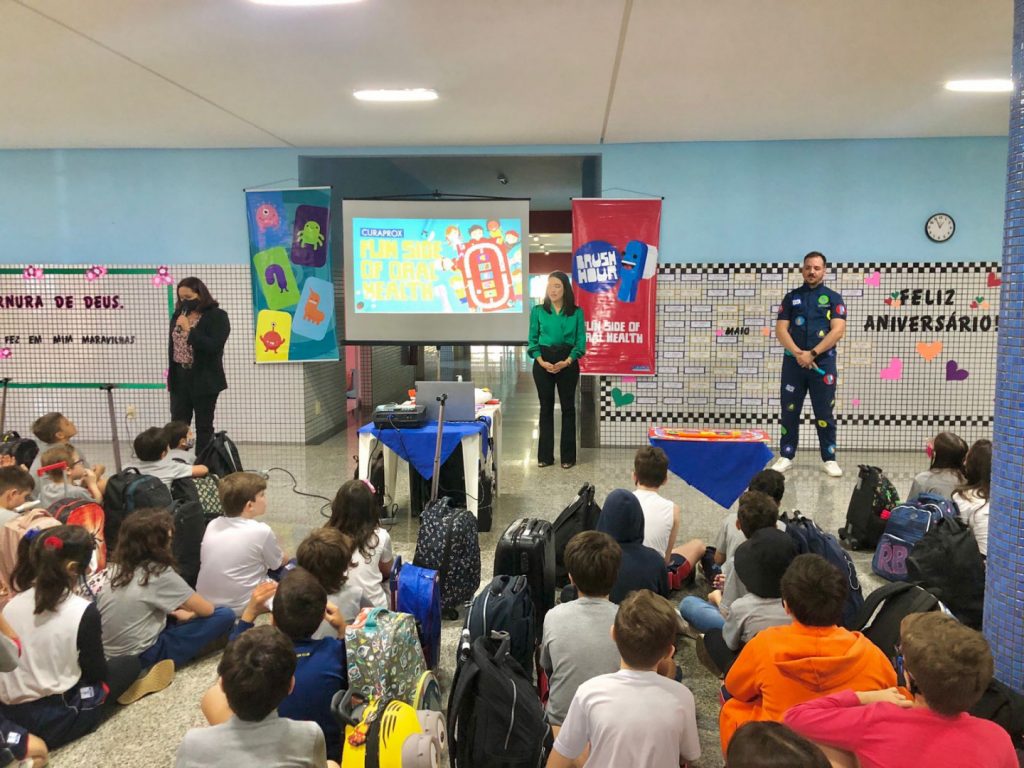
Unfortunately, we still see many dentistry professionals who put aesthetics above oral health. That’s just wrong. My way of dealing with this is to do my best to contribute to the training of professionals. Good training should be aimed at integral health and place the patient’s overall health as a priority, way above aesthetics.
What is the advice that your patients hear from you most often?
Prevention is always the best way. I’m sure my patients have heard it many times, and not just from me, but that’s because it’s true!
What is the most underestimated oral care routine from your point of view? How do you try to stress its importance?
Using interproximal toothbrushes could definitely be more common and better understood. When my patients come to see me, I explain to them the interproximal dental anatomy and recommend brushes that they can use in a simple way without causing local trauma, making their oral care extremely efficient.
“Good training should be aimed at integral health and place the patient’s overall health as a priority.”
Which skill and character feature is an absolute must-have in your job as a dental professional?
In my opinion, we should never forget meticulous clinical examination, as it helps us make the diagnostics of periodontal disease in the initial phase. In addition, assertive use of medical history is crucial, so that we can correlate systemic diseases and the possible interference of other health issues in periodontal diseases.
What does your oral hygiene routine look like?
I use many Curaprox tools which make my life easier. During the day, after every meal, I brush my teeth with the CS 12460 toothbrush. At night, after the last meal, I use the interproximal toothbrush, the 12460 toothbrush, the tongue scraper and gel for oral hygiene. Then, while watching television, I always use the CS 1009 brush for individualised hygiene and mainly to access areas that I normally cannot reach with larger brushes.
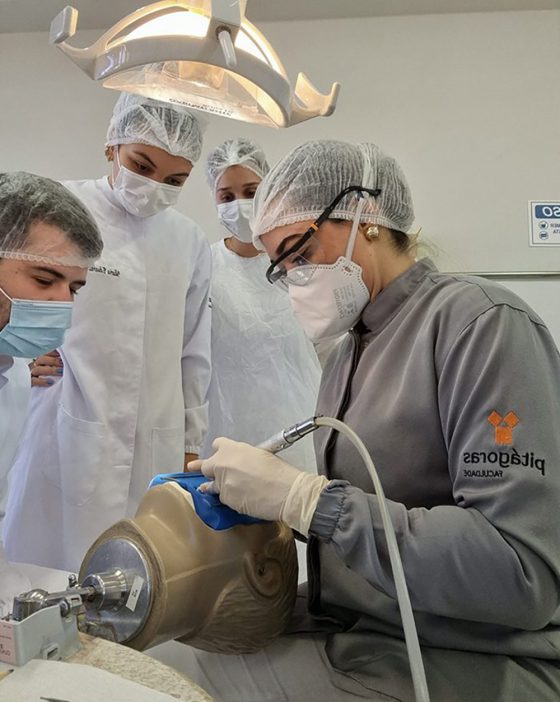
Dr Fernanda Castelo lives in Uberlândia, sutheastern Brazil and has 18 years of experience in the clinical area, seven years of which was as a dental officer in the Brazilian army. She has a postgraduate degree in periodontics, implantology and orofacial harmonisation.
Currently, she teaches dentistry at Faculdade Pitágoras de Uberlândia and works on her PhD. Dr Castelo has been working as a scientific consultant at Curaprox since 2019. She is the mother of two boys, and loves karate, travelling, TV series and Brazilian literature.