


Share on:
Facebook
LinkedIn
X (Twitter)
Patient education and management to prevent diseases from occurring or deteriorating should be the core value of a dental hygienist’s daily job.
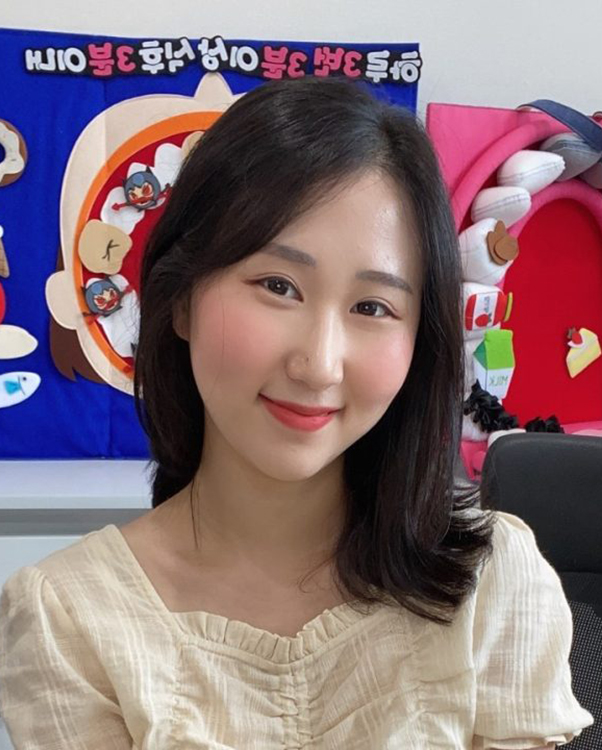
Borim Ahn is a Korean dental hygienist who firmly believes that her role is to help patients keep their mouths healthy for as long as possible. Read the interview with this keen educator and learn her tips on patient motivation, her philosophy behind her work, and her approach to her own continuous education.
What is your dental philosophy and core values of your daily practice?
For me as a dental hygienist, the core value is patient education and management to prevent diseases from occurring or deteriorating. This concept is built on APEM (Active Prevention through Education and Management) developed by dentist, orthodontist and lecturer Dr. Edward Park. A healthy body and a mouth full of natural teeth are highly important values in an era when life expectancy is 100 years. Dental hygienists must help patients to keep their oral environment healthy.
What does high-quality patient care mean to you?
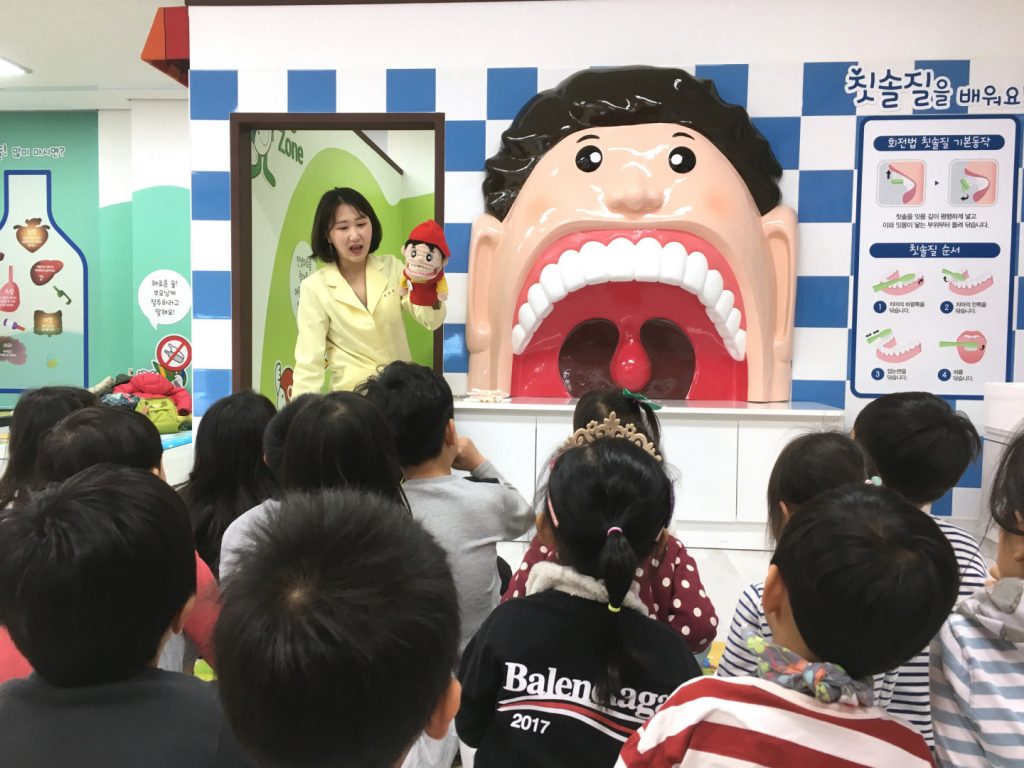
The basics are the most important. Sometimes the right brushing method may be overlooked because it is considered to be very basic, but it cannot be stressed enough. Verbal explanation is just a small part of education. When my patients come in, I brush their teeth while they are holding a mirror in their hand and looking at the target teeth.
What is the best advice that you have received from your colleague or teacher?
The best advice from my teacher was: “In education, although it is repetitive, you must speak as if you were saying it for the first time, because for your patient, it may be the first time.” And I also like the statement, “You must teach them as best as you can from the bottom of your heart.” I always recall this when I meet patients.
How do you motivate patients to keep good post-treatment oral care?
After finishing dental treatment (prosthetic works, periodontal surgery, etc.), the patient must get instructions on how to maintain their oral health at home. Intra-oral photos are very useful to motivate patients. They can see the difference between clean and unclean areas and realise the importance of proper care. In my experience, at the initial stage of patient management, a 3-weeks’ interval recall and repeated education is essential.
How do you educate yourself?
Self-education is not an easy thing. I visit Dr. Edward’s office regularly as a patient, and attend his lectures as a student in the area of oral hygiene and prevention. In other areas, I love to learn new things and the process of learning itself is a joy for me. I try to keep learning all my life. It makes me a better person, and the best part is that I can really make positive impact on others.
What change do you wish to see in your field during next five years?
I‘d like to see a change in the national health insurance system. In Korea, insurance coverage for dental treatment is quite high. But it is lacking in the field of prevention. If prevention work was covered by health insurance more reasonably, dental offices would turn their focus to prevention. The shift from focusing on treatment to concentrating on prevention will make society healthier.
“The shift from focusing on treatment to concentrating on prevention will make society healthier.”
What is a common stereotype of dentistry you dislike? How do you cope with that?
“The recession of the gums is a natural process connected to ageing, so we will lose our teeth when we are old.” Sometimes I hear this comment from elderly patients when I visit nursing homes as an educator. They believe that individual efforts like tooth brushing cannot prevent the deterioration of the mouth. This myth always gives me a hard time.
But seeing is believing. I show them photos of a healthy mouth of an elderly patient. I emphasise that efforts in oral prophylaxis can improve oral health. I try to deliver the message that we can stop the loss of the gums and teeth. But for them, it is a lifelong belief, so it is not easy to change. Repeated education is essential.
What is the advice that most of your patients hear from you?
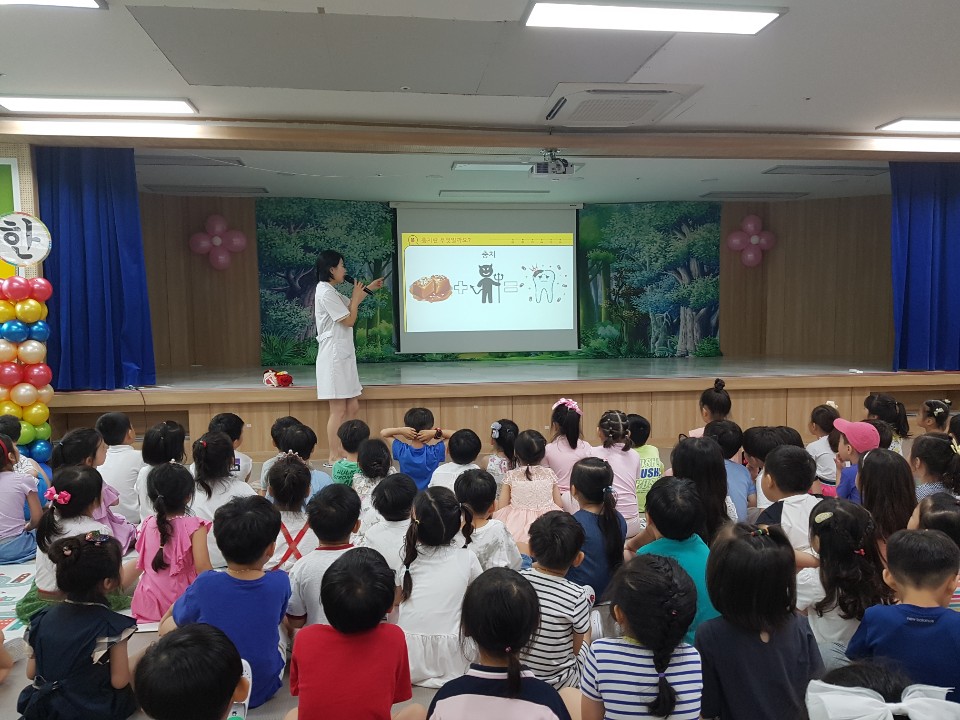
“The control of the biofilm by yourself is more important than professional dental scaling.” Another frequently delivered practical advice is the tooth brushing instruction and explanation of the SOOD technique.
What is the most underestimated oral care routine from your point of view? How do you try to stress its importance?
I think that the interdental space is the most underestimated area. There are a variety of tools like flossing, water irrigation, interdental brushes, etc., but patients do not know how efficient these tools are and the frequency of use of these instruments is low. In Korea, flossing is more popular than interdental brushes.
Usually, I put an interdental brush into the patient’s interdental space. When the patient sees me using the brush and acknowledges the difference, it always makes an impact. Individual education and training in the dental chair is the most effective way to stress its importance.
“Individual training in the dental chair is the most effective way to stress the importance of interdental brushing.”
Which skill and character feature is an absolute must-have in your job as a dental hygienist?
A sense of duty and responsibility as a professional is the most required characteristic as a dental hygienist. I have a responsibility to help people not to suffer from dental disease. The role of a dental hygienist is vital because the majority of dental diseases can be prevented by proper individual oral hygiene. The feeling of satisfaction and accomplishment motivates me to maintain my sense of responsibility.
What does your oral hygiene routine look like?
In my oral hygiene routine, I use the toothbrush, interdental brushes, tongue scraper and fluoride gargle. It takes about 10 minutes. I am my patients’ teacher and as a patient, I do the same things that I recommend to my patients.
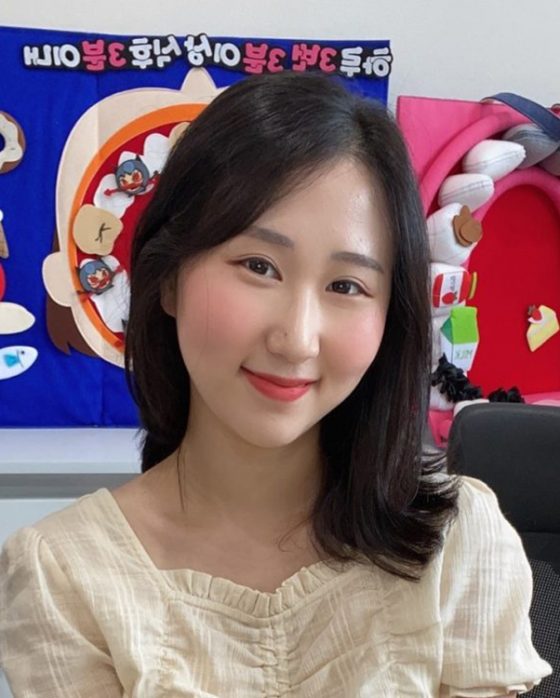
Borim Ahn has a bachelor of dental hygiene degree and is also qualified as a SOOD teacher by Dr. Edward Park. She is keen in using the SOOD technique in her everyday work with patients and also in her own dental hygiene routines. Borim Ahn is interested in spreading useful tips and information for the public through educational videos. To find out more about her and her educational work, visit her Youtube profile.