



Share on:
Facebook
LinkedIn
X (Twitter)
Read our interview with the dental professional who’s fighting the wide-spread problem of tobacco use in India.
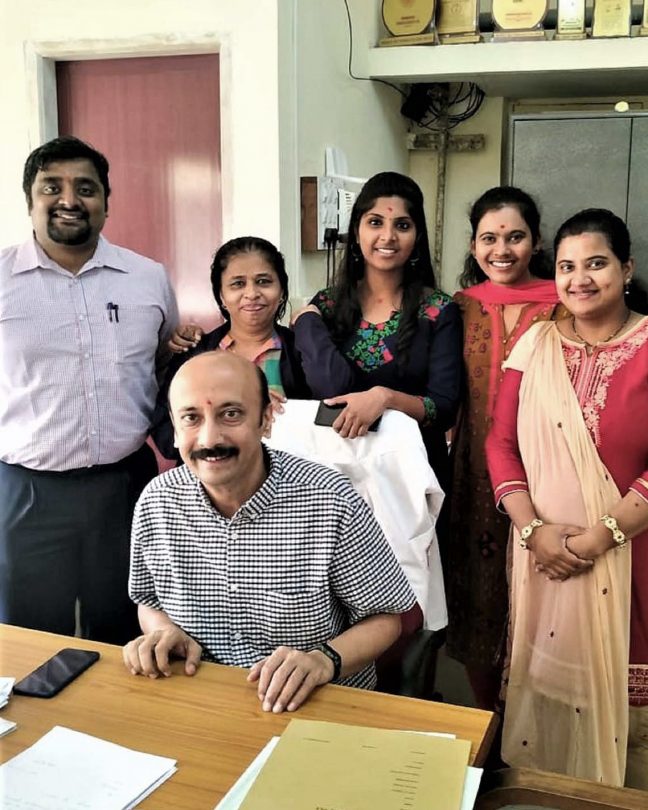
According to Prof. Murali Iyer, nothing is as complicated and bad as it looks at first sight, which is why he tries to explain to his patients that everyone is able to do regular oral care at home, and not every visit to the dental office has to be uncomfortable and painful.
Besides his daily dental practice, he’s also been actively fighting against tobacco use and oral cancer for more than 25 years. Read the interview to find out more about this dentist and co-founder of the Tobacco Cessation Clinic in Bangalore, India.
You established the Tobacco Cessation Clinic (TCC). What was the motivation to do so? What’s your role in the clinic?
India has a huge burden of tobacco abuse, and oral cancer tops all cancers in the country – primarily due to tobacco use. Over the years, India has developed multiple ways of consuming tobacco – including both the smoking and chewing forms.
I am an anti-tobacco activist and have been promoting tobacco cessation activities for more than 25 years now. As dentists, we have the unique advantage of being able to identify tobacco use first, as there are tell-tale evidences in the mouth. We also have the time during appointments to discuss this topic, and motivate patients to quit the habit.
Recognising this uniqueness, we decided to set up the TCC in our college – after undergoing professional behavioural training – so we could make a difference to our patients. Undergraduate and post-graduate students are trained to counsel the patients on this topic, and they become the flag-bearers of the future.
World No-Tobacco Day (May 31) is celebrated by conducting various awareness campaigns, and the students are encouraged to come up with unique and fresh ideas. Some of the recent programs include seminars, awareness street plays, short films, etc.
What routines do you find most critical for maintaining proper oral health?
Brushing twice daily and using interdental brushes or floss every night, along with tongue cleaning. I am also a firm believer in using an alkaline rinse to reduce the acid content of the mouth, and the best results are achieved with warm saline rinse.
What does the word prevention mean to you?
Prevention means adopting healthy practices so as to avoid a disease from occurring or progressing further. Miracles can be achieved by following this strategy, but lack of knowledge and lethargy are the biggest barriers.
What is your “golden rule” or advice that you tell your patients often?
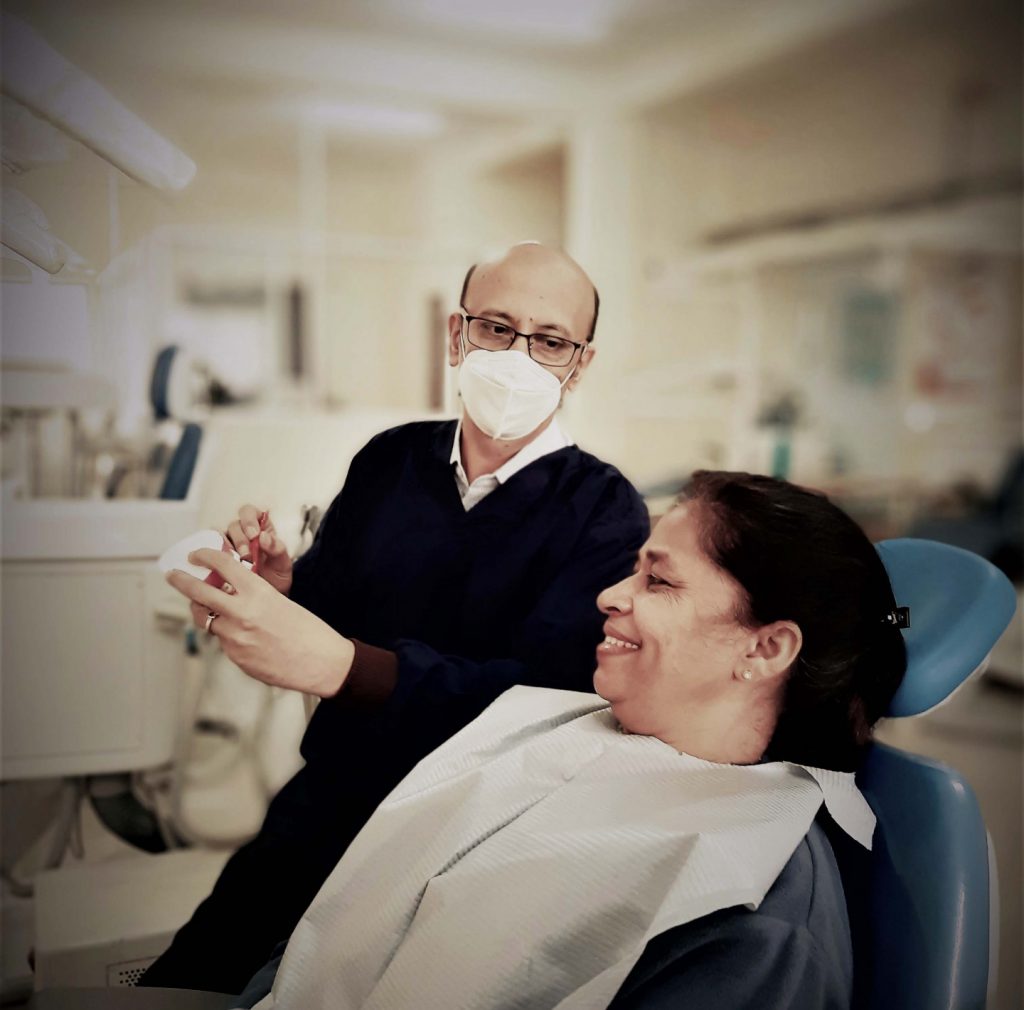
I keep telling my patients that their oral health is not as bad, or hard to manage, as they think it is. Simple preventive steps like brushing twice daily, using interdental cleaning aids and an annual dental check-up goes a long way in maintaining oral health.
What’s the biggest challenge of your job?
Convincing patients that most dental procedures are not as painful as they imagine them to be, and to stop putting things off because they are assuming the worst. Dental treatment also doesn’t need to be expensive, but it’s neglect that can prove otherwise.
What’s the thing that you like about your job the most?
The smile on a patient’s face when she or he realises that a treatment is complete with minimal discomfort or pain. When they confess their relief, this makes me smile and reinforces that I am doing the right thing every time.
What’s the most important thing in terms of an oral care routine from your point of view?
Bringing the oral cavity to the basic level of normalcy by reducing bacterial load, minimising food lodgement and making it easy for the patients to maintain their oral health.
What’s the biggest oral health myth that you fight against?
India is a land of beliefs brought about by multi-cultural influences over time immemorial. The general opinion is: Why visit a dentist unless I have pain or discomfort? Losing one tooth is no big deal, I have lots more left. Lastly, the land of karma has taught our people to sacrifice, so they’ll sacrifice cold foods, hard food, sweets, etc., when they have issues, rather than seeking help. When the causes are explained, the self-realisation they get is worth all the effort!
How do you motivate patients to go to dental check-ups regularly?
The simplest form of motivation is to drive home the point that your oral health is a mirror of your general health, and both are equally important. Most of the time it works, but change is a slow process…

Prof. Murali Iyer received his bachelor degree in dentistry from MR Ambedkar Dental College in Bangalore, India, followed by a Master of Public Health Dentistry from the University of Iowa, USA. He is currently a professor and head of department at Krishnadevaraya College of Dental Sciences in Bangalore. He is focused on prevention, tobacco cessation, tribal health, oral cancer, fluorides and environmental health. He established a Tobacco Cessation Clinic in association with Dr Prathima Murthy, to promote tobacco cessation and train dental students on related issues. Prof. Murali is also interested in wildlife and conservation, culture and traditions, temple architecture, photography, travel and cooking.